

Common Mistakes When Buying Fenwick Island Real Estate and How to Avoid Them
Fenwick Island represents one of the most exclusive coastal markets in the United States, yet the barrier to entry is often misunderstood by out-of-state investors. According to recent coastal market analyses, over 60% of first-time beach property buyers encounter significant financial or structural setbacks within their first three years of ownership due to inadequate due diligence. This statistic highlights a critical gap in preparation for those unfamiliar with the unique regulatory and environmental landscape of the Delaware coast. Navigating this market requires more than just capital; it demands a strategic approach to risk management and local expertise. This guide outlines the most frequent errors made by buyers and provides actionable strategies to protect your investment.
Understanding Zoning and Setback Regulations
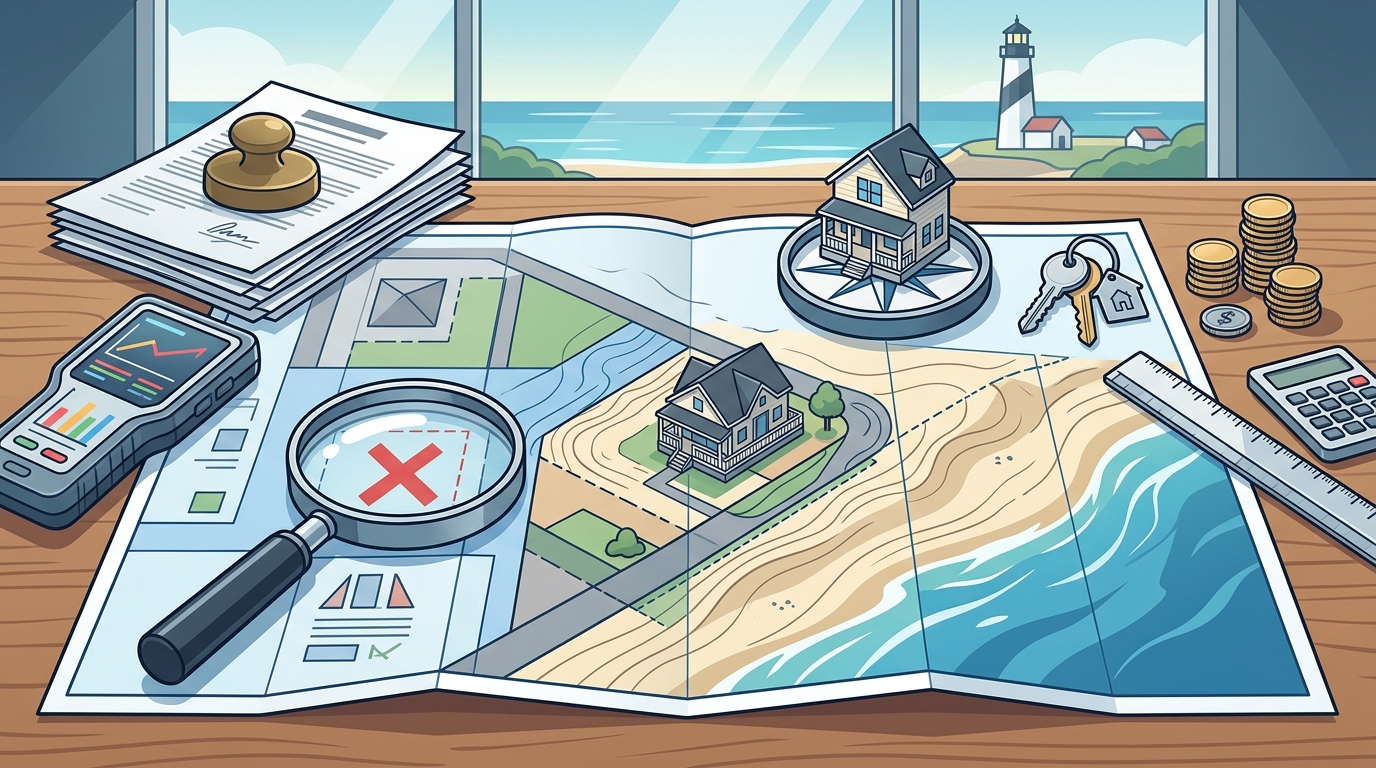
One of the most costly mistakes buyers make is underestimating the strict zoning laws that govern Fenwick Island. The town operates under rigorous coastal development codes designed to protect the fragile dune systems and manage erosion. These regulations dictate exactly how close a structure can be built to the water line, known as the setback requirement. Violating these rules can result in the inability to obtain a building permit or even the forced demolition of an existing structure.
Fenwick Island is a coastal municipality in Sussex County, Delaware, known for its strict adherence to coastal protection ordinances. Buyers often assume that a property with an existing structure can be easily renovated or expanded. However, the town’s zoning department requires detailed surveys and environmental assessments before any work begins. Ignoring these requirements can lead to project delays that span months or years, significantly increasing carrying costs.
To avoid this pitfall, always request a current survey and verify the property’s zoning classification with the town’s planning department before making an offer. Understanding the specific setback lines for the parcel is non-negotiable. For properties in the Fenwick Island Real Estate market, this due diligence is the first step in ensuring a viable investment.
Navigating Insurance and Flood Zone Complexities
Securing adequate insurance is a major hurdle for many Fenwick Island buyers. The area is designated as a high-risk flood zone by the Federal Emergency Management Agency (FEMA). This designation mandates the purchase of flood insurance for any property with a federally backed mortgage. The cost of this insurance has risen sharply in recent years, often catching buyers off guard.
Flood insurance is a mandatory financial requirement for most mortgage lenders in high-risk coastal zones. Beyond the base policy, buyers must consider the cost of windstorm coverage and potential elevation certificates. An outdated elevation certificate can lead to significantly higher premiums because the insurance company cannot accurately assess the risk level of the structure relative to the base flood elevation.
Before finalizing a purchase, obtain a preliminary insurance quote specific to the property’s address. Do not rely on generic estimates. Work with agents who understand the local insurance landscape to ensure the property meets current building codes for wind and flood resistance. Properties that have been elevated or retrofitted to meet modern standards often qualify for lower premiums, providing long-term savings.
Inspection Pitfalls in Coastal Environments
Standard home inspections are often insufficient for coastal properties. The salt air, high humidity, and sandy soil create unique degradation patterns that generalist inspectors may miss. Common issues include corrosion of metal components, moisture intrusion in foundation walls, and damage to exterior finishes from salt spray.
Coastal property inspection is a specialized discipline that focuses on salt damage, erosion, and structural integrity in sandy soils. Buyers must hire inspectors who specialize in beachfront homes. These professionals will look for signs of saltwater intrusion in the plumbing systems, which can cause premature failure of pipes and fixtures. They will also assess the condition of the seawall or dune protection systems, which are critical for long-term property survival.
Do not skip the structural engineering review if the property is older or has been renovated. A thorough inspection can reveal hidden costs that exceed the initial purchase price. For those exploring Bethany Beach Real Estate or neighboring areas, the same rigorous inspection standards apply. The cost of a specialized inspection is a small fraction of the potential repair bills associated with coastal decay.
Overestimating Rental Income Potential
Many investors purchase Fenwick Island properties with the expectation of generating substantial rental income. While the area is a popular vacation destination, the rental market is highly seasonal and competitive. Overestimating occupancy rates and nightly rates is a common financial error.
Rental income in coastal Delaware is highly seasonal, with peak demand concentrated in the summer months. The off-season revenue often does not cover the fixed costs of ownership, including taxes, insurance, and maintenance. Buyers must create a conservative cash flow model that accounts for vacancy periods, property management fees, and seasonal maintenance requirements.
Review the actual rental history of the specific property, not just general market averages. Properties with direct beach access or recent renovations may command higher rates, but they also require more intensive upkeep. If you plan to use the property personally, factor in the days it will be unavailable for rental. For a comprehensive list of available Beach Vacation Rentals, understanding the current inventory helps gauge market saturation and pricing trends.
Ignoring Community and HOA Restrictions
Fenwick Island has various neighborhoods with different levels of Homeowners Association (HOA) oversight. Some communities have strict rules regarding rental periods, exterior modifications, and even the types of vehicles that can be parked on the property. Ignoring these restrictions can lead to fines and legal disputes.
Homeowners Association rules in coastal communities often dictate rental frequency and property appearance standards. Some HOAs limit short-term rentals to a certain number of days per year, which can drastically reduce investment potential. Others may require approval for any exterior changes, including paint colors or landscaping. Buyers must obtain and carefully review the HOA bylaws and financial statements before purchasing.
Understanding the financial health of the HOA is also critical. Look for adequate reserve funds for common area maintenance and insurance. A poorly managed HOA can lead to special assessments, which are unexpected charges levied on homeowners to cover large expenses. This due diligence is essential whether you are buying in Fenwick Island Real Estate or adjacent communities like Bethany Beach Real Estate.
The Necessity of Local Professional Guidance
The final and perhaps most critical mistake is attempting to navigate the Fenwick Island market without local expertise. Real estate transactions in coastal areas involve complex legal and environmental disclosures that are not present in inland markets. Out-of-state buyers are particularly vulnerable to this gap in knowledge.
Local real estate professionals provide essential insights into neighborhood dynamics and regulatory changes. A seasoned agent understands the nuances of the local inspection process, the insurance landscape, and the rental market trends. They can identify properties that are not yet listed and negotiate effectively in a competitive market. Crowley Associates Realty, Inc. has served the Delaware Beach community since 1973, offering deep institutional knowledge of these specific challenges.
Working with a team that has a physical presence in the area ensures that you have access to real-time data and local contacts. From contractors to insurance agents, a local network can streamline the buying process. For those interested in Dewey Beach Real Estate or Bethany Beach Real Estate, the same principle of local guidance applies. The complexity of coastal real estate demands a partner who understands the unique risks and rewards of the region.
Key Takeaways
- Strict Zoning: Fenwick Island enforces rigorous setback and zoning laws to protect coastal infrastructure.
- Insurance Costs: High-risk flood zones mandate expensive insurance policies that must be factored into the budget.
- Specialized Inspections: Standard home inspections often miss salt damage and structural issues unique to coastal environments.
- Seasonal Income: Rental income is highly seasonal, requiring conservative financial modeling for investors.
- HOA Rules: Homeowners Association restrictions can limit rental frequency and require approval for modifications.
- Local Expertise: Working with a local firm like Crowley Associates Realty, Inc. provides critical market insights.
- Due Diligence: Verifying surveys, elevation certificates, and HOA financials is essential before closing.
Frequently Asked Questions
What are the setback requirements for building in Fenwick Island?
Setback requirements in Fenwick Island are determined by the town’s zoning ordinance and vary based on the specific zone and proximity to the water. Generally, structures must be set back a certain distance from the dune line or high-water mark to allow for natural erosion and storm protection. Buyers must consult the town planning department for the exact requirements for any specific parcel.
Is flood insurance mandatory for Fenwick Island properties?
Yes, flood insurance is mandatory for most properties in Fenwick Island because the area is designated as a high-risk flood zone by FEMA. Even if you are paying cash, lenders and prudent investors require this coverage to protect against catastrophic loss from storm surges and flooding.
How does the rental market in Fenwick Island compare to Bethany Beach?
Fenwick Island is known for its quieter, more residential atmosphere compared to the vibrant nightlife of Dewey Beach Real Estate and the bustling commercial center of Bethany Beach Real Estate. Consequently, rental rates in Fenwick Island can be higher for luxury properties due to the demand for privacy and tranquility, but the overall volume of short-term rentals may be lower.
What should I look for during a coastal property inspection?
Focus on salt corrosion on metal fixtures, moisture intrusion in walls and foundations, the condition of the seawall or dune protection, and the integrity of the roof against high winds. Hire an inspector who specializes in coastal properties to identify these specific risks.
Can I rent out my Fenwick Island property year-round?
While you can rent your property year-round, the majority of income is generated during the summer months. Off-season rentals are possible but often require significant marketing efforts and may yield lower nightly rates. Review HOA rules to ensure there are no restrictions on short-term rentals.
Why is local expertise important for buying in Delaware Beach?
Local expertise is crucial because of the unique regulatory environment, insurance requirements, and market dynamics specific to the Delaware coast. A local firm like Crowley Associates Realty, Inc. understands these nuances and can help buyers avoid costly mistakes related to zoning, inspections, and financial planning.
Secure Your Coastal Investment Today
Avoiding these common mistakes requires preparation, knowledge, and the right team. Whether you are looking for a vacation home or an investment property, the Fenwick Island market offers unparalleled value for those who approach it with caution and expertise. Contact Crowley Associates Realty, Inc. to begin your journey. Visit our Home page to explore our extensive listings and connect with our experienced agents. For direct assistance, call our Bethany Beach office at 302.539.4013 or our Rehoboth Beach office at 302.227.6131.